
Recovery Homework

This page is here so you don’t have to remember everything from your visit.
Do only what we discussed for you.
If you’re unsure what applies, skip it and ask at your next visit.
Recommended Activities
Chin-Up Habit
What: Keep your eyes level when walking, lifting, or rising from sitting to standing.
Why: Helps prevent head-forward posture and slouching.
When: Often. Repeat until it’s a habit.

Water
What: Drink water steadily through the day.
Why: Dehydration can make muscles and joints more irritable.
When: Daily. Use this water calculator to estimate your target.
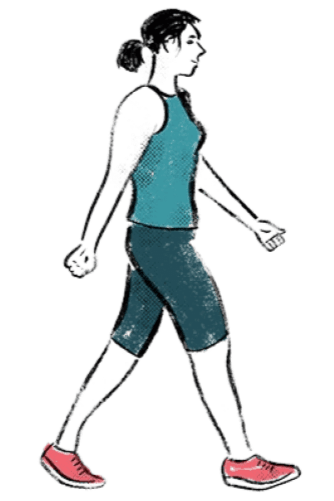
Walking
What: Walk daily, easy pace.
Why: Walking keeps the back from tightening up and helps symptoms settle.
When:
Start with: 5 to 10 minutes once per day.
If that’s too much: 2 minutes once per day.
If that goes well for a few days: add 1–2 minutes.
Goal: 15 to 45 minutes per day (as tolerated).
If you feel worse afterward, back off and tell us
Activities to Avoid
These positions add stress to the spine and can push you toward turtle-neck and hunchback posture:
Slouching
Long couch time
Texting with your head down
Bending and twisting together
Other common aggravators:
Leaning towards computer screens
Sitting with knees higher than hips
Lifting with your head down

Rule: Avoid long stretches in any one position. Reset often: eyes level, chin up, stand and walk for 60 seconds.
Heat or ice?
These are short-term comfort tools. Your adjustments should be helping in this area.
Use them only if you need them to get through the day.
If you feel worse afterward, stop and tell us.