
The Same Cup
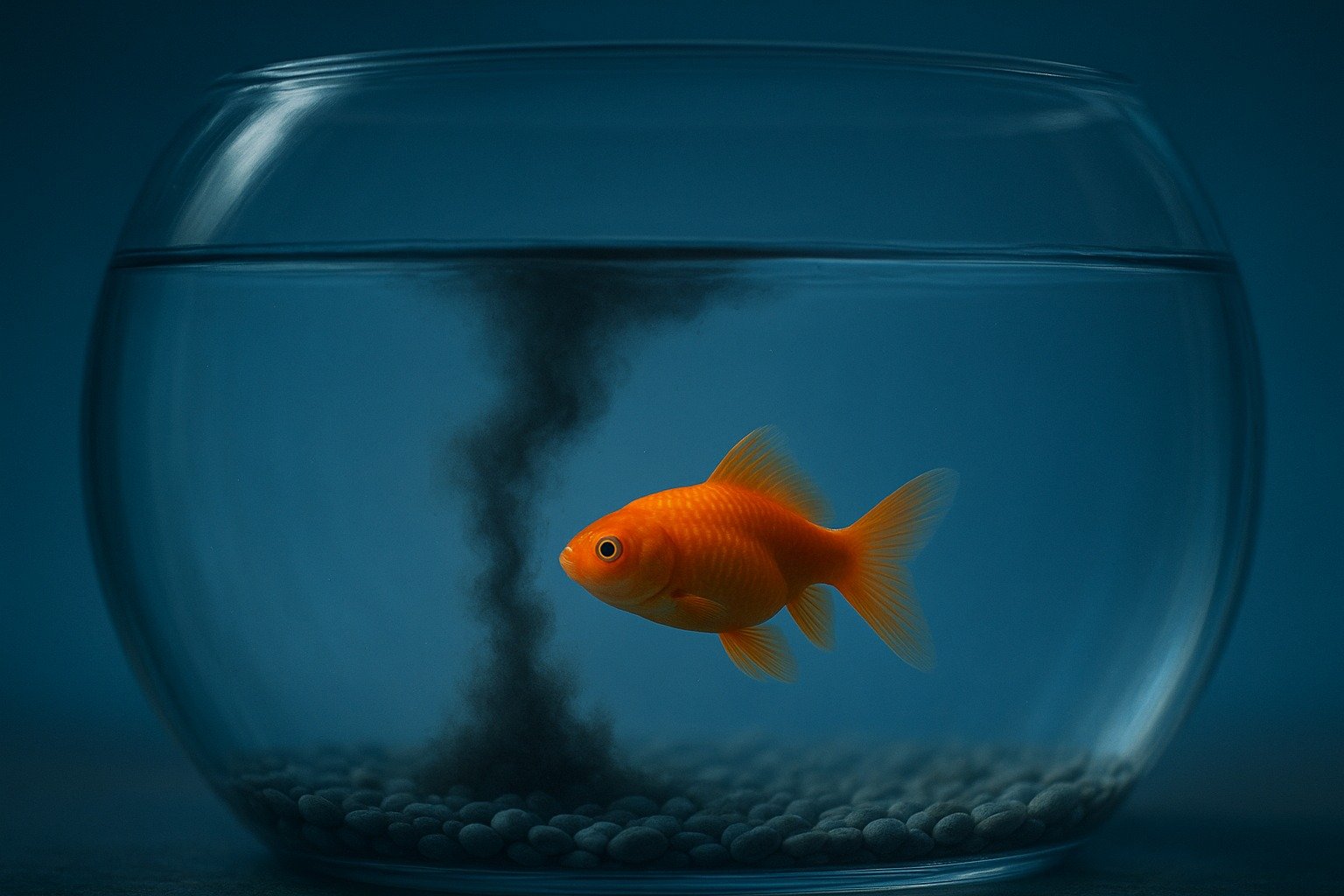
A child leans over a small tank in a quiet room. The water holds a single goldfish tracing a slow circle near the gravel. The child lifts a cup of cola and lets a thin stream fall through the surface. An adult steps in, rests a hand on the cup, and speaks the plain line heard in homes everywhere. Don’t pour that in the tank. It hurts the fish. Drink it yourself. The child stops. The tank goes still again.
Something shifts in that pause. The same drink that feels harmless in a hand becomes unthinkable once it touches another creature’s small world. The contrast asks nothing. It just stands there, steady as the fish drifting back toward the center.
The body that protects the fish is built from the same quiet materials as the one holding the cup. Muscles, blood, water, breath. A small tank makes the limits clear. A human body hides them behind height, appetite, and time. Yet the truth sits in open view. Living things bend under the same pressures. They settle under the same gentler ones.
The moment is small. The meaning is not.
The care that reaches for the tank belongs to the same hand lifting the cup.
The Science Behind the Poetry
A quiet moment in a kitchen holds a truth most people feel before they name it. The same dark soda a child is told not to pour into a fish tank flows without protest down that same child’s throat moments later. No one needs to explain why the fish must be protected. The body knows. The adult’s calm sentence only gives voice to a boundary already understood. What changes in the pause is not the drink. It is the sudden clear sight of two living things sharing the same basic needs and the same quiet limits.
Science simply measures what the heart already senses. In one trial, people who usually drank very little water were asked to drink more. Within days, fatigue and confusion dropped. Thirst eased. Sleep and wake feelings grew steadier. In the same study, regular water drinkers who were held back and given less reported the opposite pattern. Calmness slipped. Contentment thinned. Energy and positive feelings fell. A second trial looked at mild dehydration in young women. Losing only about one percent of body weight as water was enough to increase headaches, tension, and mental effort, even though thinking tests stayed mostly the same. The body felt the strain long before anything looked serious from the outside.
In a regular day, this response is quiet. A person who has gone through a long afternoon on coffee and snacks steps into a hallway between tasks and takes a slow drink of plain water. Nothing dramatic happens. Yet the tight band across the forehead loosens. The shoulders sink a little. The next task feels less heavy than the last. What is poured in has been heard.
The care that reaches for the tank belongs to the same hand lifting the cup.
Reference(s): PLOS One, 2014; Journal of Nutrition, 2012.